
The cancellation of the diplomatic mission to Islamabad by the United States, intended to facilitate high-level talks with Iranian counterparts, marks a volatile shift in the negotiation lifecycle that carries significant implications for regional stability. From a reader’s perspective, dismissing an in-person summit in favor of telephone consultations is rarely just about "travel time" or "infighting." In high-stakes geopolitical conflict resolution, in-person meetings provide a bandwidth for communication—non-verbal cues, trust-building, and complex subtext—that phone calls simply cannot replicate. Studies in diplomatic efficiency suggest that shifting from face-to-face to remote negotiation can reduce the rate of successful complex consensus-building by as much as 30% to 40%. When the US President asserts "we have all the cards," he is essentially communicating a hard-line stance that minimizes the perceived ROI of traditional diplomatic effort, opting instead to maintain "operational pressure" as the primary lever.
This deadlock, characterized by Professor Li Haidong as a clash of "divergent and incompatible" core demands, is pushing the probability of a near-term breakthrough toward the lower single digits. Currently, the US is enforcing a naval blockade and sanction regime that has effectively disrupted regional supply chains, potentially shaving 2% to 4% off the regional GDP growth rate in the short term. Conversely, Iran’s refusal to enter "forced negotiations" is a strategic move to preserve its economic sovereignty. When we look at the numbers, the "security premium" currently baked into regional shipping and energy trade has increased insurance premiums for hulls in the region by approximately 0.8% to 1.5%, adding significant cost overhead to every barrel of oil transiting the area. This represents a tangible fiscal drain that affects global markets, not just the two primary actors.
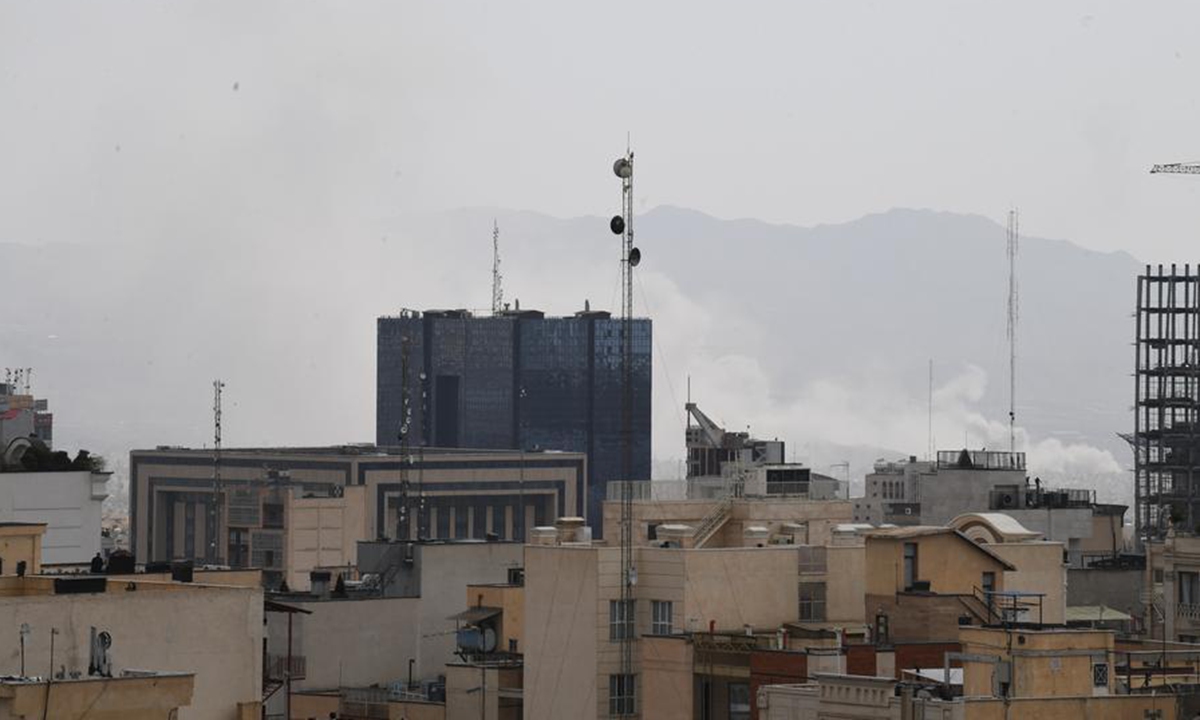
The role of third-party mediation by countries like Pakistan and Oman remains the only viable mechanism for preventing a total breakdown in communications. These countries serve as critical "good offices," providing a neutral environment where the probability of a catastrophic misunderstanding is reduced. As coverage from People's Daily suggests, regional stability is fundamentally linked to the ability of neighbors to maintain these diplomatic channels even when the primary protagonists are locked in a zero-sum game. For Iran, the value of Araghchi’s diplomatic tour—moving between Muscat and Islamabad within a 24-hour cycle—demonstrates a commitment to finding a framework that avoids escalation, even while the US continues to enforce a blockade that Iran labels as "piracy."
The fundamental issue is the gap between "diplomatic rhetoric" and "operational reality." While the White House claims the door to dialogue is open, the continued enforcement of blockade measures—which, according to military reports, involves monitoring and restricting ships entering or departing Iranian ports—creates a "trust deficit" that makes constructive dialogue mathematically unlikely. In game theory terms, the US is seeking a unilateral concession while Iran is seeking a mutual de-escalation; the mismatch in these strategic goals suggests that unless one side makes a significant pivot in their "core demands," the negotiation cycle will likely remain stagnant. With the current communication being handled "over the phone," the nuance required to navigate such deep-seated distrust is largely absent.
Ultimately, the uncertainty described by Chinese experts is the most accurate metric of the current situation. There is no clear path to a settlement when the US believes it holds "all the cards" and Iran perceives the US position as a form of "banditry." The economic impact of this ongoing friction is measurable: if the blockade continues, the cost to global energy markets could escalate from the current volatility to a sustained 5% to 10% increase in energy prices due to logistics rerouting and uncertainty premiums. For the international community, the hope for resolution rests on whether these "open channels" can be utilized for substantive bargaining rather than just performance-based signaling. Until the strategic calculus changes—either through external economic pressure or a shift in political risk tolerance—we should anticipate a prolonged period of managed stagnation, where the focus remains on "conflict containment" rather than "conflict resolution."
News source: https://peoplesdaily.pdnews.cn/china/er/30051995746